Solutions · Bioplastics Storage

Silos for Bioplastics – PLA, PHA, PBAT & Starch-Based Plastics

Bioplastics are processed much like conventional plastics – but many grades are sensitive to moisture and must stay strictly separate. PW Silo Systems designs aluminum and stainless steel silos for bioplastic pellets and their raw materials.

  • Aluminum & StainlessNo coated carbon steel
  • Process SilosDegassing & drying
  • Raw MaterialsTested in our lab
  • Every U.S. StateDelivery and installation

Bioplastics Storage at a Glance

What is a bioplastic silo?

A bioplastic silo stores pellets such as PLA, PHA, PBAT, or starch-based compounds – or raw materials such as starch and wood flour – between delivery, compounding, and processing. It protects the material from contamination and feeds it reliably to the next step.

Many bioplastics take up moisture and are dried before processing, and they must not be mixed with conventional plastics. PW Silo Systems plans storage, drying, and product separation around your product.

Why Bioplastics Are Demanding

Six challenges in bioplastics storage – and how we solve them

Moisture, separation, and raw materials decide how a bioplastic silo system is built.

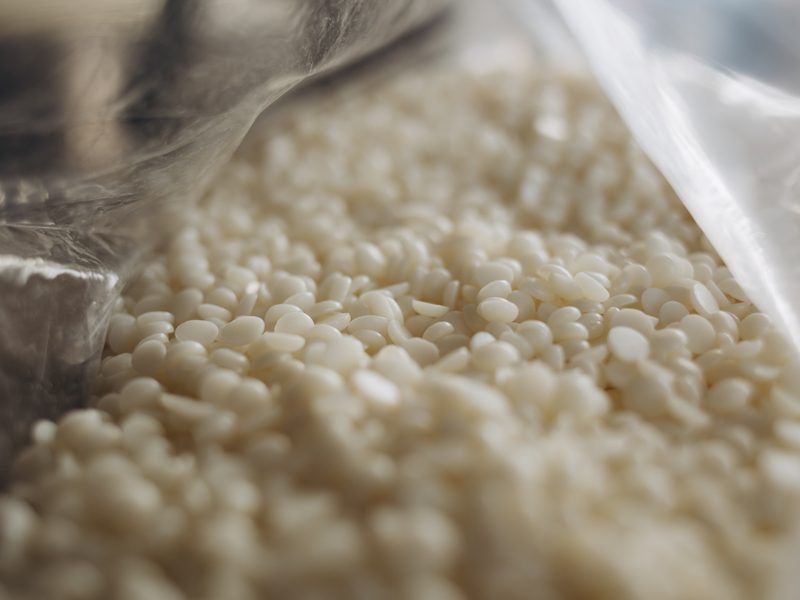
White pellets in a clear plastic bag

Moisture

Many bioplastics such as PLA take up moisture and are dried before processing.

Our solution
A closed silo in aluminum or stainless steel – plus PW ProcessLine process silos for drying where your process requires it.
Your benefit
Material that reaches the machine as your process requires.
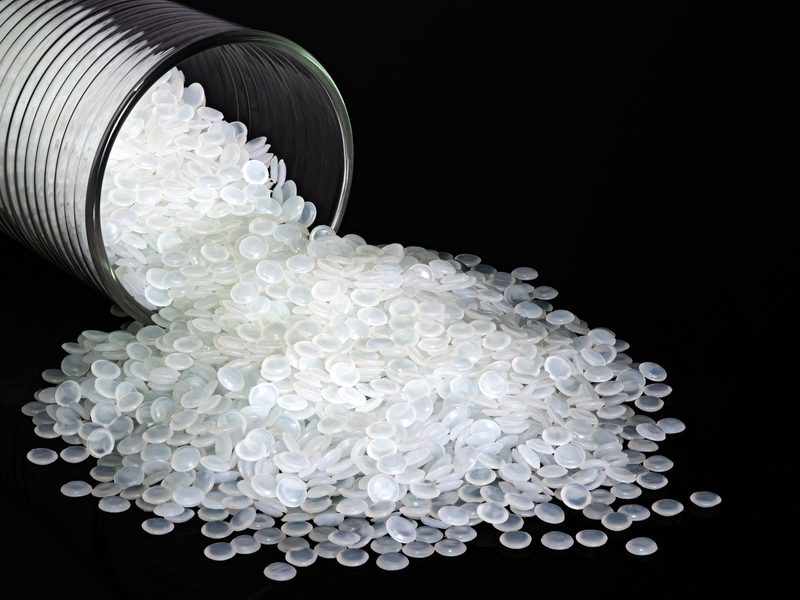
White pellets spilling from a glass container

Product Separation

Bioplastics must not be mixed with conventional plastics or with each other.

Our solution
Dedicated silos or PW StoreLine multi-compartment silos that keep each product separate.
Your benefit
Clear product separation in a compact footprint.
White plastic granules

Starch & Wood Flour

Raw materials such as starch and wood flour are fine powders. Their dust is combustible.

Our solution
Explosion-protected silos with rupture discs or explosion vents, plus integrated filters and dust collectors.
Your benefit
Safer operation and cleaner surroundings.
White pellets in a clear plastic bag

Lot-to-Lot Variation

Production lots differ, and a silo filled in batches forms layers of different quality.

Our solution
PW BlendLine blending and homogenizing silos – with PW PipeBlend or PW CentralPipeBlend.
Your benefit
Consistent product quality for processing.
White pellets spilling from a glass container

Product Purity

In coated carbon steel silos, flaking paint and rust particles can end up in the bioplastic.

Our solution
Silos built exclusively in aluminum and stainless steel – no coating as the only corrosion protection.
Your benefit
Lower contamination risk for your product.
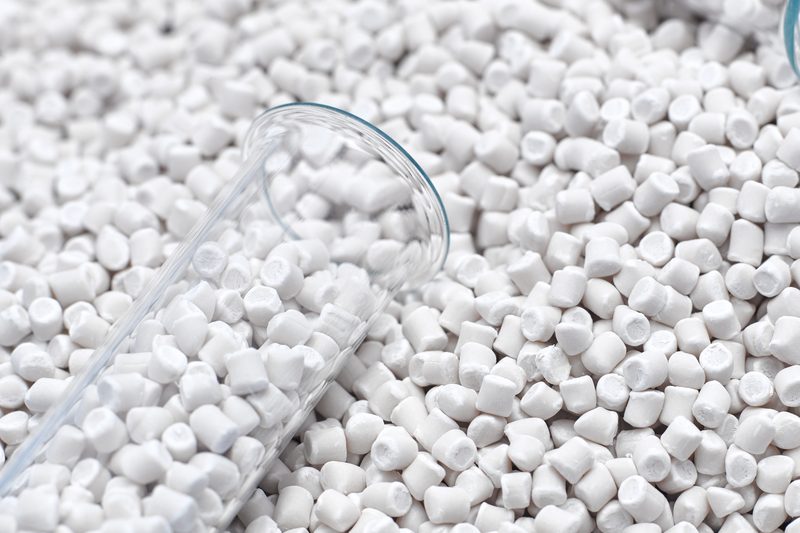
Polymer pellets with test tubes

Large Storage Volumes

Polymer production and compounding need large storage capacities – often more than a road-transportable silo can hold.

Our solution
Seal-welded PW PanelLine silos with up to 53,000 ft³, shipped in standard containers and assembled on site.
Your benefit
Large capacity without heavy-haul logistics.

Silo Materials

Aluminum or stainless steel bioplastic silos

We build silos exclusively in aluminum and stainless steel. Both materials offer high corrosion resistance and a long service life – without a coating as the only protection against corrosion.

Which of our two materials fits your bioplastic silo depends on your product, your process, and your site. We review it with you.

Compare Silo Materials

Bioplastics & Raw Materials

Silos for bioplastics and their raw materials

Bioplastic pellets are not on our tested list yet – we review your product with you. Several raw materials are on our list of bulk materials tested in our lab.

Review with us

PLA Silo

PLA pellets, polylactic acid

PLA we review with you based on your material data, including drying requirements.

Review with us

PHA Silo

PHA pellets, polyhydroxyalkanoates

PHA we review with you based on your material data.

Review with us

PBAT Silo

PBAT pellets

PBAT we review with you based on your material data.

Review with us

Starch-Based Compound Silo

Thermoplastic starch (TPS), starch blends

Starch-based compounds we review with you based on your material data.

Tested in our lab

Starch Silo

Blended starch, cornstarch, tapioca starch

Blended starch, cornstarch, and tapioca starch are on our list of bulk materials tested in our lab.

Tested in our lab

Wood Flour Silo

Wood flour, wood dust

Wood flour and wood dust are on our tested list.

Tested in our lab

WPC Compound Silo

WPC compound, wood-plastic composite

WPC compound is on our tested list.

Related products we store

Also tested in our lab:

  • Plastic pellets
  • Plastic compound
  • Plastic additives
  • Calcium carbonate
  • Cellulose fiber

Other bio-based products – let’s review them together

Send us your material data and we will review the right solution with you:

  • Bio-PE
  • Bio-PET
  • PBS
  • Cellulose acetate

Material Check

Are your raw materials on our tested list?

Type in your material or any other bulk material to see whether it has already been tested in our lab. The list covers 287 bulk materials.

Try: , ,

How it works

  1. 1Type the name of your bulk material – suggestions appear as you type.
  2. 2See right away whether it is on our list of tested materials.
  3. 3Not on the list? Send us your material details – we will review it with you.

Service in the U.S.

From planning to installation – across the U.S.

With more than 40 years of experience in silo engineering, we support your bioplastic silo project from the first design discussion to commissioning. We deliver to every U.S. state and install with our own qualified personnel.

View Our Services

  • Silo TransportDelivery to every U.S. state – by truck, ship, or rail.
  • Field AssemblyModular assembly on site for larger storage capacities.
  • Installation & SupervisionTrained, qualified installation personnel.
  • Site RelocationExisting silos documented, dismantled, and reassembled.
  • Custom EngineeringSilo systems engineered around your polymers and process.

FAQ

Bioplastic silo FAQ

Answers to the questions plant managers, engineers, and buyers ask most often about storing bioplastics in silos.

Can bioplastics be stored in a silo?

Yes. Bioplastic pellets such as PLA, PHA, and PBAT are not on our tested list yet – we review your product with you based on your material data. These related materials are on our list of bulk materials tested in our lab:

  • Blended starch, cornstarch, and tapioca starch
  • Wood flour and wood dust
  • WPC compound
  • Plastic pellets

Can bioplastics be dried in the silo?

PW ProcessLine process silos are designed for deodorizing, degassing, and drying. Which solution fits depends on your product and your process. We review your requirements with you.

How do you keep bioplastics separate from conventional plastics?

We recommend a dedicated silo per product – or PW StoreLine multi-compartment silos that keep several products separate in one silo.

Is starch or wood flour dust explosive, and how are silos protected?

Fine starch and wood dust are combustible. For combustible bulk solids we supply explosion-protected silos designed in accordance with applicable codes and regulations. Venting devices – rupture discs or explosion vents – are selected for your silo, your product, and your application.

Aluminum or stainless steel – which is right for a bioplastic silo?

Both are possible. Which material fits your bioplastic silo depends on your product, your process, and your site. We review the options with you.

Do you deliver and install bioplastic silos in the U.S.?

Yes. We deliver to every U.S. state and support your project with silo transport, field assembly, silo installation and supervision, and site relocation of existing systems.

What information do you need for a bioplastic silo quote?

Tell us about your bioplastic grades, required storage capacity, how the silo is filled and discharged, and your site conditions. Based on this, we work out the material, silo type, and configuration with you and send you a detailed quote.

Your Project

Let's plan your bioplastic silo.

Whether you need a single bioplastic silo, a large panel silo, or a complete system with blending and process silos, tell us about your requirements. We'll develop a solution that fits your product, your process, and your site.

Send a Request Now

What Happens Next

  1. Share your requirements

    Tell us about your bulk material, your process, and your site conditions.

  2. Define the design together

    We work with you on material, silo type, and configuration – based on a bulk material analysis if needed.

  3. Receive your solution and quote

    You receive a custom-engineered solution with a detailed quote.