
Solutions · Chemical Industry

Chemical Silos for Powders, Minerals, Salts & Additives

From mineral fillers and pigments to salts, acids, and additives: chemical bulk solids dust, bridge, wear, or attack the silo material. PW Silo Systems designs aluminum and stainless steel silos and PW TankLine tanks for the chemical industry with you – material and design defined for your product.

  • Aluminum & StainlessMaterial and design defined with you
  • Mass-Flow DesignFirst in, first out
  • 287 Bulk MaterialsTested in our lab
  • Every U.S. StateDelivery and installation

Chemical Storage at a Glance

What is a chemical silo?

A chemical silo stores powdered, granular, or crystalline chemical products close to production – for minerals and fillers, pigments, oxides, salts, acids, additives, or by-products. It keeps the product contained and feeds it in a controlled way to weighing, dosing, mixing, or the process.

Every chemical product behaves differently. Some bridge, some dust, some are abrasive, corrosive, or combustible. That is why the silo material, the design, the discharge, and the safety concept are defined together with you for your product and your site.

Chemical Silos by Product

Find the right silo for your chemical product

Each page explains the typical challenges of a product group and how we solve them – with the products on our tested list.

Minerals

Calcium Carbonate & Chalk

Fine, cohesive mineral fillers with discharge aids and dust collection.

View page

Minerals

Talc, Kaolin & Bentonite

Cohesive mineral fillers and clays that bridge and must stay dry.

View page

Minerals

Barium Sulfate & Dolomite

Heavy and abrasive mineral fillers.

View page

Minerals

Silica

Fumed and precipitated silica and silica flour.

View page

Minerals

Diatomaceous Earth

Light filter aids and fillers.

View page

Pigments

Titanium Dioxide

White pigment that must stay clean.

View page

Pigments

Pigments & Powder Coatings

Color pigments and powder coatings kept strictly separate.

View page

Oxides

Alumina & ATH

Abrasive alumina and fine ATH filler.

View page

Oxides

Lime

Quicklime, hydrated lime, and milk of lime.

View page

Oxides

Battery Materials

Lithium hydroxide, iron phosphate, and graphite.

View page

Carbon

Activated Carbon & Carbon Black

Black, dusty carbon products.

View page

Carbon

Graphite & Silicon Carbide

Black dust and highly abrasive grains.

View page

Salts

Soda Ash & Sodium Bicarbonate

Alkaline salts with material defined with you.

View page

Salts

Sodium Sulfate & Sodium Nitrate

Industrial salts that cake and need a safety concept.

View page

Salts

Urea & Melamine

Hygroscopic prills and fine melamine powder.

View page

Acids

Food and Industrial Acids

Citric, malic, adipic, and other acids.

View page

Acids

PTA & Adipic Acid

Monomers for polyester and nylon production.

View page

Additives

Stearic Acid & Stearates

Flakes, beads, and pastilles that soften when warm.

View page

Additives

Plastic Additives

Modifiers, stabilizers, and processing aids.

View page

Additives

Rubber Fillers

Carbon black, silica, and mineral fillers for compounding.

View page

Process aids

Cellulose Filter Aids

Light, fibrous filter aids.

View page

By-products

Filter Dust & Lignin

Fine by-products for disposal, recycling, or reuse.

View page

Liquids

Mother Liquor Tanks

PW TankLine tanks for process liquids.

View page

Why Chemical Products Are Demanding

Six challenges in chemical storage – and how we solve them

Flow behavior, dust, abrasion, corrosion, and safety decide whether a chemical silo runs reliably.

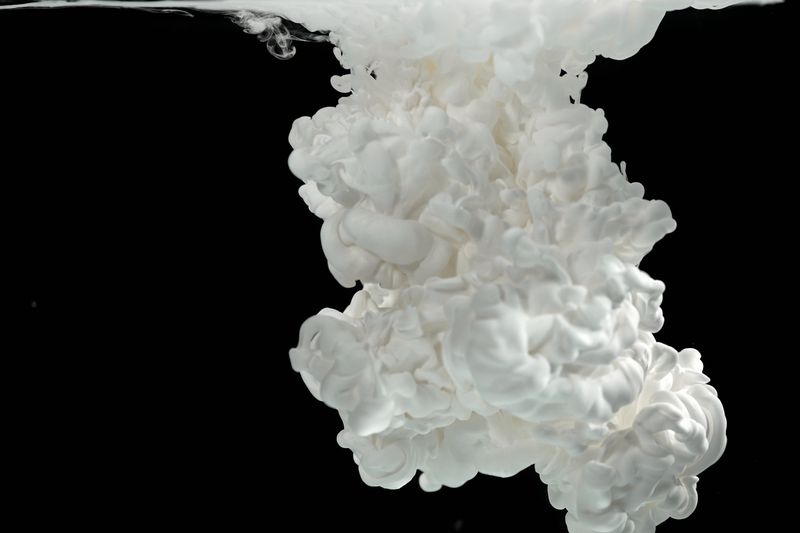
White powder falling against a dark background

Bridging & Rat-Holing

Fine, cohesive powders compact under their own weight and build bridges or narrow flow channels above the outlet.

Our solution
Mass-flow hopper geometry plus PW SpeedBlow fluidization and bin activators where your product requires them.
Your benefit
Steady feed into dosing and weighing.
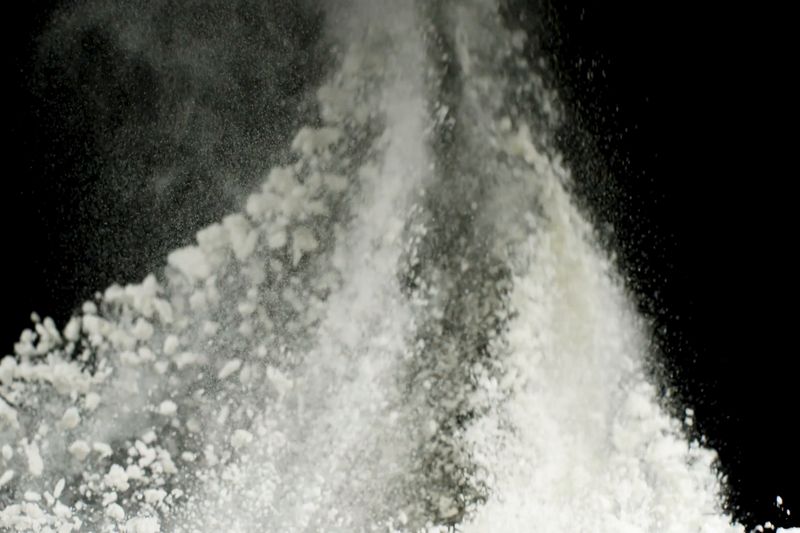
Fine white pigment powder in the air

Fine Dust

Fine chemical powders spread quickly during pneumatic filling and conveying.

Our solution
Integrated filters and PW FilterLine dust collectors matched to your filling rate and your product.
Your benefit
Cleaner surroundings and less product loss.
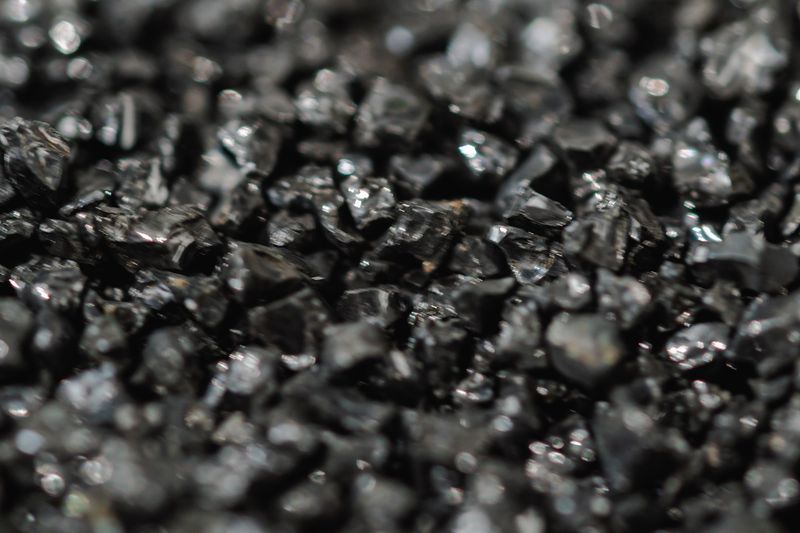
Black shiny grains in close-up

Abrasion

Hard products such as alumina, silica flour, or silicon carbide wear the outlet and conveying equipment.

Our solution
Wear at the outlet and in conveying is considered in the design with you.
Your benefit
A silo designed for abrasive products.
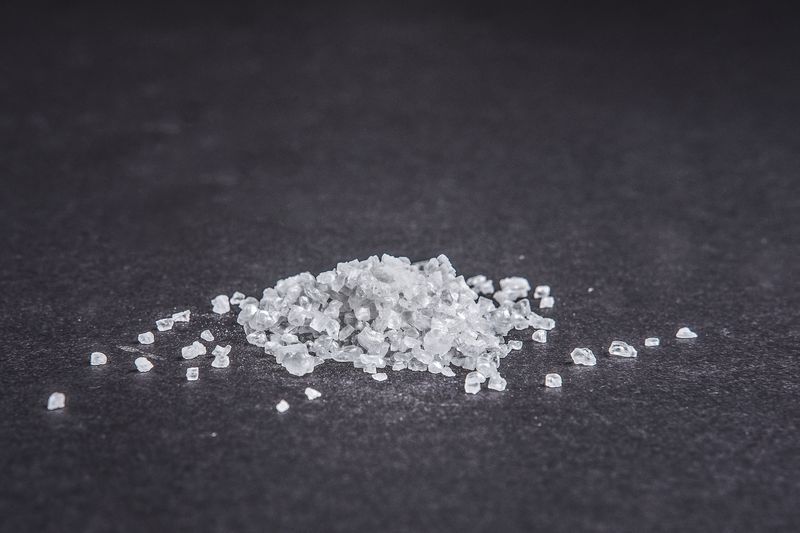
Pile of white crystals on a dark surface

Corrosive Products

Salts, acids, and alkaline products can attack the silo material, depending on the product and its moisture.

Our solution
Silo material and design defined with you based on your product data.
Your benefit
A silo that fits your product.
Colored pigment powders

Many Products

Chemical plants often handle many products that must not be mixed by accident.

Our solution
Dedicated silos or PW StoreLine multi-compartment silos that keep different products separate.
Your benefit
Clear product separation in a compact footprint.
Fine powder dispersing in the air

Safety Concept

Venting, filtration, and explosion protection depend on the product and its particle size.

Our solution
Explosion protection and venting reviewed with you where your product requires it.
Your benefit
A safety concept that fits your products and your site.

Silo Materials

Aluminum or stainless steel chemical silos

We build silos and tanks exclusively in aluminum and stainless steel. Carbon steel is not an option for us: its coating is the only protection against corrosion – and flaking coating or rust can end up in your product.

Which of our two materials and which design fit your chemical silo depends on the product, your process, and your site. For corrosive and alkaline products, we define the material and the design with you based on your product data.

Compare Silo Materials

Tested Chemical Products

Chemical products on our tested list

Products marked “Tested in our lab” are on our list of bulk materials. The others we review with you based on your material data before designing the silo.

Tested in our lab

Calcium Carbonate

Calcium carbonate, GCC, chalk

Calcium carbonate is on our list of bulk materials tested in our lab.

Tested in our lab

Titanium Dioxide

Titanium dioxide, TiO₂

Titanium dioxide is on our tested list.

Tested in our lab

Precipitated Silica

Precipitated silica, silica filler

Precipitated silica is on our tested list.

Tested in our lab

Soda Ash

Soda ash, sodium carbonate

Soda ash is on our tested list. Material and design we define with you.

Tested in our lab

Urea

Urea, urea prills

Urea is on our tested list.

Review with us

Your Chemical Product

Specialty chemicals and intermediates

Not on the list? We review your product data with you before designing the silo.

Related products we store

Also tested in our lab:

  • Aluminum hydroxide (ATH)
  • Activated carbon / biochar
  • Sodium sulfate
  • Barium sulfate
  • Graphite

Other chemical products – let’s review them together

Send us your material data and we will review the right solution with you:

  • Zinc oxide
  • Sulfur
  • Magnesium oxide
  • Sodium percarbonate
  • Catalysts

Product Check

Is your product on our tested list?

Type in your chemical product or any other bulk material to see whether it has already been tested in our lab. The list covers 287 bulk materials.

Try: , ,

How it works

  1. 1Type the name of your bulk material – suggestions appear as you type.
  2. 2See right away whether it is on our list of tested materials.
  3. 3Not on the list? Send us your material details – we will review it with you.

Service in the U.S.

From planning to installation – across the U.S.

With more than 40 years of experience in silo engineering, we support your chemical silo project from the first design discussion to commissioning. We deliver to every U.S. state and install with our own qualified personnel.

View Our Services

  • Silo TransportDelivery to every U.S. state – by truck, ship, or rail.
  • Field AssemblyModular assembly on site for larger storage capacities.
  • Installation & SupervisionTrained, qualified installation personnel.
  • Site RelocationExisting silos documented, dismantled, and reassembled.
  • Custom EngineeringSilo and tank systems engineered around your chemical products and process.

FAQ

Chemical silo FAQ

Answers to the questions plant managers, engineers, and buyers ask most often about storing chemical products in silos.

Which chemical products can be stored in a silo?

Dry chemical powders, granules, and crystals can be stored in a properly designed silo. These are some of the products on our list of bulk materials tested in our lab:

  • Calcium carbonate
  • Titanium dioxide
  • Precipitated silica
  • Soda ash (sodium carbonate)
  • Urea
  • Aluminum hydroxide (ATH)

Our list covers 287 bulk materials. Products that are not on it we review with you based on your material data.

Which silo material is right for chemical products?

We build silos exclusively in aluminum and stainless steel – never in coated carbon steel. Which material and which design fit depends on the product, your process, and your site. For corrosive and alkaline products, we define them with you based on your product data.

How do you handle products that bridge?

A mass-flow hopper geometry keeps the entire silo content moving. Discharge aids such as PW SpeedBlow air fluidization and bin activators break up bridges and keep the outlet clear. The right combination depends on your product.

Do you also offer tanks for chemical liquids?

Yes. PW TankLine tanks in aluminum and stainless steel store liquids and suspensions such as mother liquor or milk of lime. Material and design we define with you.

What is mass flow, and why does it matter for chemical products?

In mass flow, the entire silo content moves downward when material is discharged – not just a channel in the center. Your chemical products leaves the silo in the order it came in (first in, first out), and no product is left behind in dead zones. Our PW StoreLine silos are designed for concentric mass-flow discharge without asymmetric flow zones.

How do you handle dust and explosion protection?

Integrated filters and PW FilterLine dust collectors separate dust during pneumatic filling and conveying. Explosion protection and venting we review with you where your product requires it.

What size chemical silo do I need?

The right size depends on your daily consumption, delivery intervals, the number of products, and the space available at your site. PW StoreLine silos are available in a wide range of sizes and diameters, and silos too large for road transport are assembled on site. We size the system with you – without oversized investment.

Do you deliver and install chemical silos in the U.S.?

Yes. We deliver to every U.S. state and support your project with silo transport, field assembly, silo installation and supervision, and site relocation of existing systems.

My chemical product is not on your tested list. Can you still store it?

Very likely. Our silo systems are designed for nearly all free-flowing, granular, and powdered bulk solids. Send us your material details – particle size, bulk density, moisture, and how the product is filled and discharged – and we will review the right storage solution with you.

What information do you need for a chemical silo quote?

Tell us about your products, required storage capacity, how the silo is filled and discharged, and your site conditions. Based on this, we work out the material, silo type, and configuration with you and send you a detailed quote.

.