
Solutions · Sweetener Storage

Silos for Sugar Substitutes & Sweeteners

Dextrose, glucose, and polyols such as erythritol, isomalt, and xylitol are fine, often hygroscopic powders and granules. PW Silo Systems designs aluminum and stainless steel silos with mass-flow discharge, discharge aids, and blending – so your sweeteners flow reliably into production.

  • Aluminum & StainlessNo coated carbon steel
  • Mass-Flow DesignFirst in, first out
  • 6 SweetenersTested in our lab
  • Every U.S. StateDelivery and installation

Sweetener Storage at a Glance

What is a sweetener silo?

A sweetener silo is a closed storage vessel for sugar substitutes and sweeteners – such as dextrose, glucose, erythritol, isomalt, or xylitol. It protects the product from moisture and outside contamination and feeds it in a controlled way to mixers, scales, or dosing systems.

Many sweeteners absorb moisture and tend to cake, and fine powders can bridge at the outlet. PW Silo Systems designs the silo geometry, wall material, and discharge equipment around your specific sweetener.

Why Sweeteners Are Demanding

Six challenges in sweetener storage – and how we solve them

Sweeteners are high-value ingredients. Caking, bridging, or contamination quickly affects production uptime and product quality.

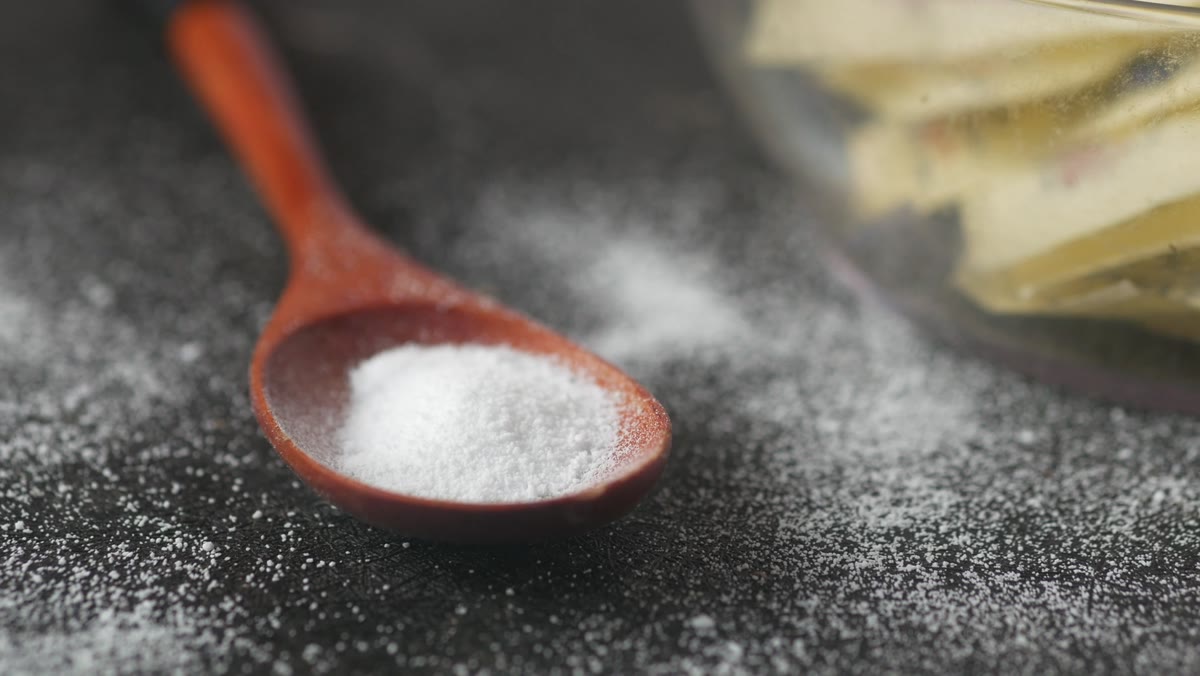
White sweetener powder in a bowl with a spoon

Moisture & Caking

Many sweeteners are hygroscopic. Once they absorb moisture, they form lumps or cake in the silo.

Our solution
A closed silo body in corrosion-resistant aluminum or stainless steel, plus bin activators that break up caking at the outlet.
Your benefit
Fewer interruptions and protected product quality.
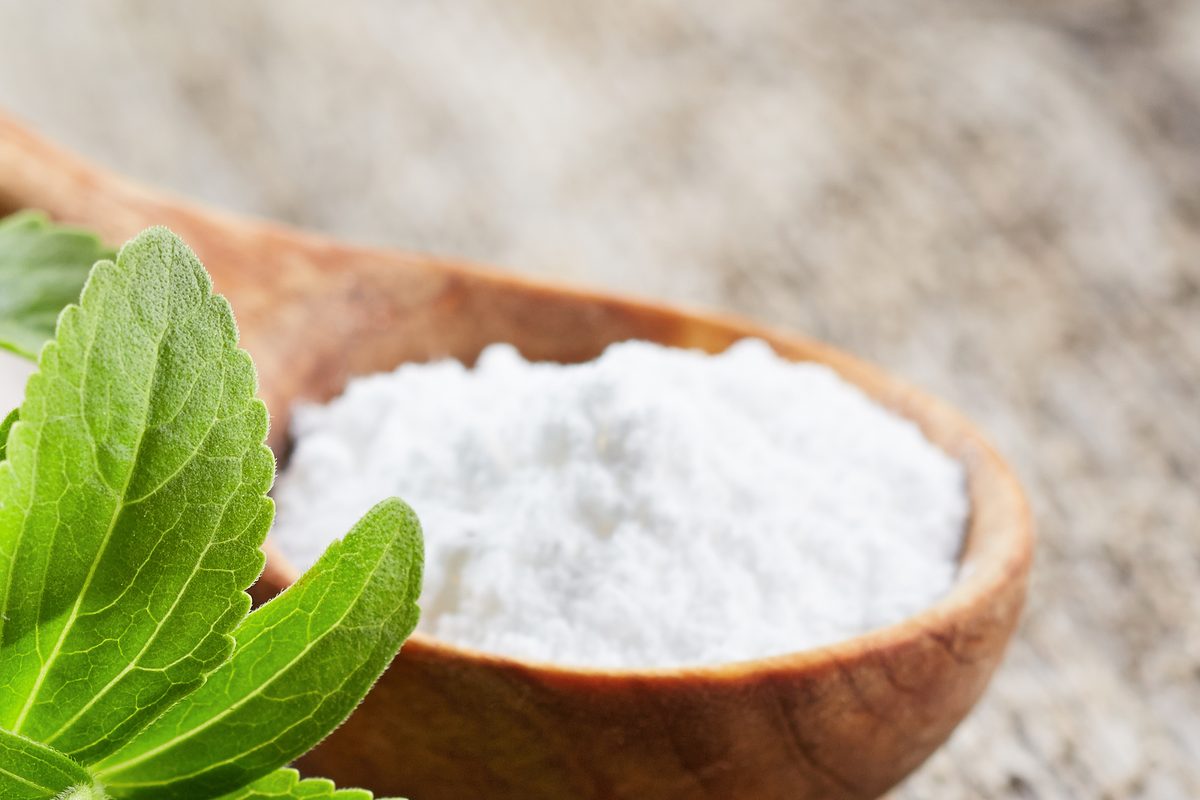
Fine white sweetener powder in a wooden spoon

Bridging of Fine Powders

Fine powders such as powdered dextrose can compact and form a bridge over the outlet.

Our solution
Concentric mass-flow discharge, plus PW SpeedBlow fluidization for uniform discharge.
Your benefit
Steady feed to dosing and mixing.
Spoon with white sweetener granules

Product Purity

In coated carbon steel silos, flaking paint and steel particles can end up in the sweetener.

Our solution
Silos built exclusively in aluminum and stainless steel – no coating as the only corrosion protection.
Your benefit
Lower contamination risk for your food product and your brand.
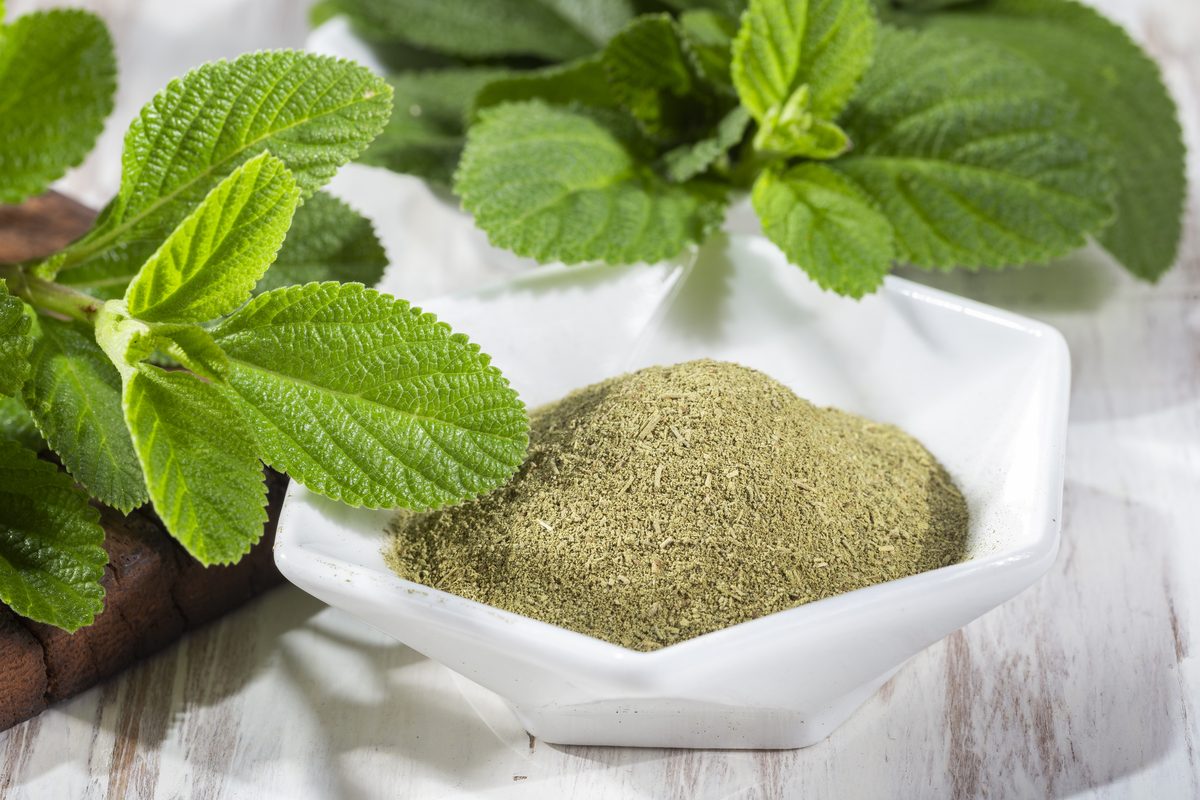
Fine plant-based powder with leaves

Dust & Explosion Risk

Fine sweetener dust is combustible. Filling and conveying release dust into the silo and its surroundings.

Our solution
Explosion-protected silos with rupture discs or explosion vents, plus integrated filters and dust collectors.
Your benefit
Safer operation and cleaner surroundings.
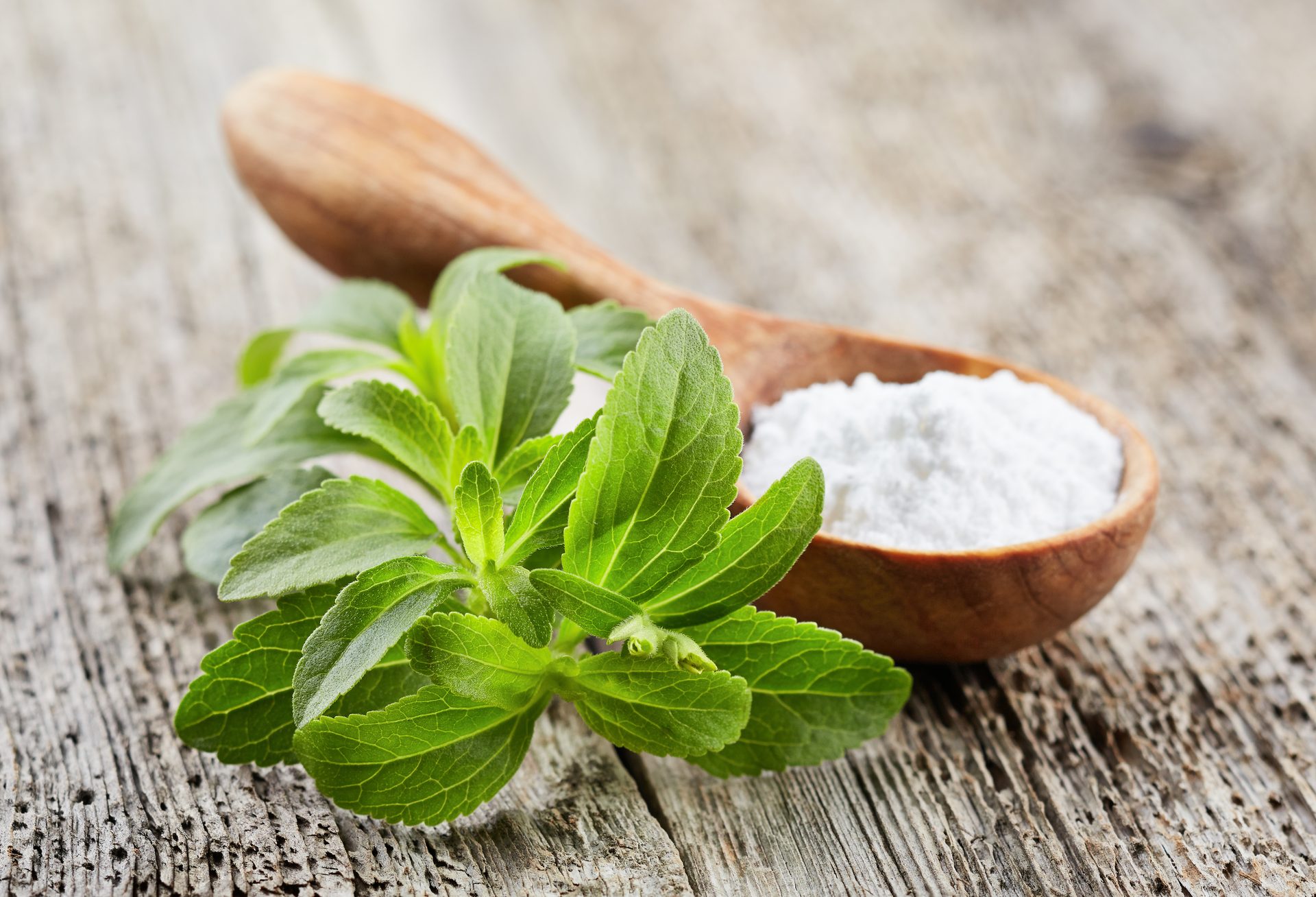
Stevia leaves and sweetener powder

Batch-to-Batch Variation

Deliveries differ, and a silo filled in batches forms horizontal layers of different quality.

Our solution
PW BlendLine gravity blending silos homogenize the silo content before it reaches production.
Your benefit
Consistent sweetener quality for consistent end products.
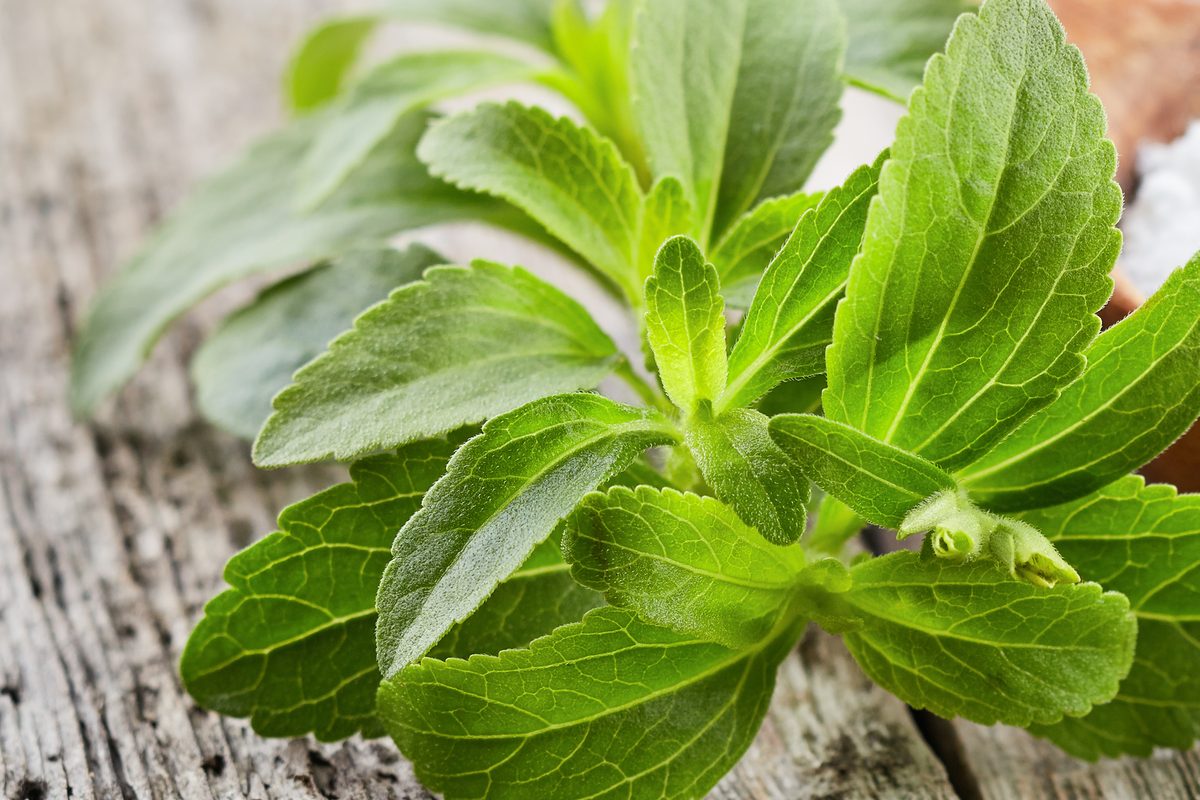
Fresh stevia leaves

Several Sweetener Types

Food plants often handle several sweeteners side by side – including allergen-relevant or specialty products.

Our solution
Dedicated silos or PW StoreLine multi-compartment silos that keep different products separate.
Your benefit
Clear product separation in a compact footprint.

Silo Materials

Aluminum or stainless steel sweetener silos

Aluminum and stainless steel silos are widely used for flour, sugar, starch, and other food ingredients. Both materials offer high corrosion resistance, good hygiene, and a long service life.

Carbon steel is not an option for us: its coating is the only protection against corrosion. Once it wears, paint particles and steel can get into the product. Which of our two materials fits your sweetener silo depends on your product, your process, your cleaning requirements, and your site – we review it with you.

Compare Silo Materials

Sweetener Types

Silos for every type of sweetener

Particle size, moisture sensitivity, and composition change how a sweetener flows. These sweeteners are on our list of bulk materials tested in our lab.

Tested in our lab

Glucose Silo

Glucose, glucose powder, corn sugar

Glucose powder is used in confectionery, bakery, and beverages. It tends to absorb moisture, so a closed silo and discharge aids are part of the design.

Tested in our lab

Dextrose Silo

Dextrose, dextrose monohydrate

Dextrose is a widely used sugar in food production and fermentation. Mass-flow discharge supports first-in, first-out stock rotation.

Tested in our lab

Sweetener Silo

Sweeteners, sugar substitutes

Sweetener blends and sugar substitutes differ widely in particle size and flow behavior. Silo and discharge are designed for your specific product.

Tested in our lab

Stevia Silo

Stevia, stevia blends, steviol glycosides

Stevia is on our list of bulk materials tested in our lab. Stevia blends with carrier ingredients we review with you based on your product data.

Tested in our lab

Isomalt Silo

Isomalt, sugar alcohol, polyol

Isomalt is a polyol used in sugar-free confectionery. A closed, corrosion-resistant silo protects it from moisture.

Tested in our lab

Xylitol Silo

Xylitol, birch sugar

Xylitol is a crystalline sugar alcohol for chewing gum, candy, and oral care products. Storage and discharge are matched to its crystal size.

Tested in our lab

Erythritol Silo

Erythritol, sugar alcohol

Erythritol is a popular zero-calorie sweetener for beverages and baked goods. Mass-flow discharge keeps it moving evenly from the silo.

Related products we store

Also tested in our lab:

  • Granulated sugar
  • Cane sugar
  • Coconut sugar
  • Lactose
  • Food starch

Other sweeteners – let’s review them together

These sweeteners are commonly handled in bulk but are not on our tested list yet. Send us your material data and we will review the right solution with you:

  • Stevia blends
  • Sorbitol
  • Maltitol
  • Mannitol
  • Allulose
  • Fructose
  • Polydextrose
  • Sucralose blends

Sweetener Check

Is your sweetener on our tested list?

Type in your sweetener or any other bulk material to see whether it has already been tested in our lab. The list covers 287 bulk materials.

Try: , ,

How it works

  1. 1Type the name of your bulk material – suggestions appear as you type.
  2. 2See right away whether it is on our list of tested materials.
  3. 3Not on the list? Send us your material details – we will review it with you.

Service in the U.S.

From planning to installation – across the U.S.

With more than 40 years of experience in silo engineering, we support your sweetener silo project from the first design discussion to commissioning. We deliver to every U.S. state and install with our own qualified personnel.

View Our Services

  • Silo TransportDelivery to every U.S. state – by truck, ship, or rail.
  • Field AssemblyModular assembly on site for larger storage capacities.
  • Installation & SupervisionTrained, qualified installation personnel.
  • Site RelocationExisting silos documented, dismantled, and reassembled.
  • Custom EngineeringSilo systems engineered around your sweetener and process.

FAQ

Sweetener silo FAQ

Answers to the questions plant managers, engineers, and buyers ask most often about storing sweeteners in silos.

Which sweeteners can be stored in a silo?

These sweeteners are on our list of bulk materials tested in our lab:

  • Glucose
  • Dextrose
  • Sweeteners and sugar substitutes
  • Isomalt
  • Xylitol
  • Erythritol
  • Stevia

Stevia blends, sorbitol, maltitol, mannitol, allulose, fructose, polydextrose, and sucralose blends are not on our tested list yet. We review them with you based on your material data.

What is the best material for a sweetener silo – aluminum or stainless steel?

Both. Aluminum and stainless steel silos are widely used for sweetener and other food ingredients because they offer high corrosion resistance, good hygiene, and a long service life. Which material fits your project depends on your product, your process, your cleaning requirements, and your site. We review the options with you.

Why shouldn’t sweetener be stored in coated carbon steel silos?

In a carbon steel silo, the coating is the only protection against corrosion. If it wears or flakes off, paint particles and steel can end up in your sweetener. That is why we build silos exclusively in aluminum and stainless steel.

Why do sweeteners cake in a silo?

Many sweeteners – especially glucose, dextrose, and some polyols – absorb moisture from the air. When particles bond, lumps form and discharge becomes uneven. A closed silo in aluminum or stainless steel protects the product, and bin activators or PW SpeedBlow fluidization keep it flowing at the outlet.

What is mass flow, and why does it matter for sweetener?

In mass flow, the entire silo content moves downward when material is discharged – not just a channel in the center. Your sweetener leaves the silo in the order it came in (first in, first out), and no product is left behind in dead zones where it could age or cake. Our PW StoreLine silos are designed for concentric mass-flow discharge without asymmetric flow zones.

Is sweetener dust explosive, and how are sweetener silos protected?

Fine sweetener dust is combustible, and many bulk solids carry an explosion risk. For combustible bulk solids we supply explosion-protected silos designed in accordance with applicable codes and regulations. Venting devices – rupture discs or explosion vents – are selected for your silo, your product, and your application. Integrated filters and dust collectors reduce dust during filling and conveying.

How do you keep sweetener quality consistent from batch to batch?

Deliveries vary, and a silo filled in batches forms horizontal layers of different quality. PW BlendLine gravity blending silos homogenize the content so your production receives a consistent product. We offer four blending technologies; the right one depends on your sweetener and on whether you operate continuously or in batches.

How are sweetener silos kept clean?

Hygiene starts with the materials: aluminum and stainless steel offer good hygiene and corrosion resistance. In addition, our flat-roof designs support high cleanliness standards, PW SpeedBlow uses high air flow for cleaning, and the PW ConeBlend blending silo has a hopper that is quick and easy to clean – well suited to frequent product changes.

What size sweetener silo do I need?

The right size depends on your daily consumption, delivery intervals, the number of products, and the space available at your site. PW StoreLine silos are available in a wide range of sizes and diameters, and silos too large for road transport are assembled on site. We size the system with you – without oversized investment.

Do you deliver and install sweetener silos in the U.S.?

Yes. We deliver to every U.S. state and support your project with silo transport, field assembly, silo installation and supervision, and site relocation of existing systems.

My product is not on your tested list. Can you still store it?

Very likely. Our silo systems are designed for nearly all free-flowing, granular, and powdered bulk solids. Send us your material details, and we will review the right storage and discharge solution with you.

What information do you need for a sweetener silo quote?

Tell us about your products, required storage capacity, how the silo is filled and discharged, and your site conditions. Based on this, we work out the material, silo type, and configuration with you and send you a detailed quote.

Your Project

Let's plan your sweetener silo.

Whether you need a single sweetener silo, several silos for different products, or a complete system with blending and discharge, tell us about your requirements. We'll develop a solution that fits your product, your process, and your site.

Send a Request Now

What Happens Next

  1. Share your requirements

    Tell us about your bulk material, your process, and your site conditions.

  2. Define the design together

    We work with you on material, silo type, and configuration – based on a bulk material analysis if needed.

  3. Receive your solution and quote

    You receive a custom-engineered solution with a detailed quote.